Stove Top Boiled Peanuts

 Add Preferred Source
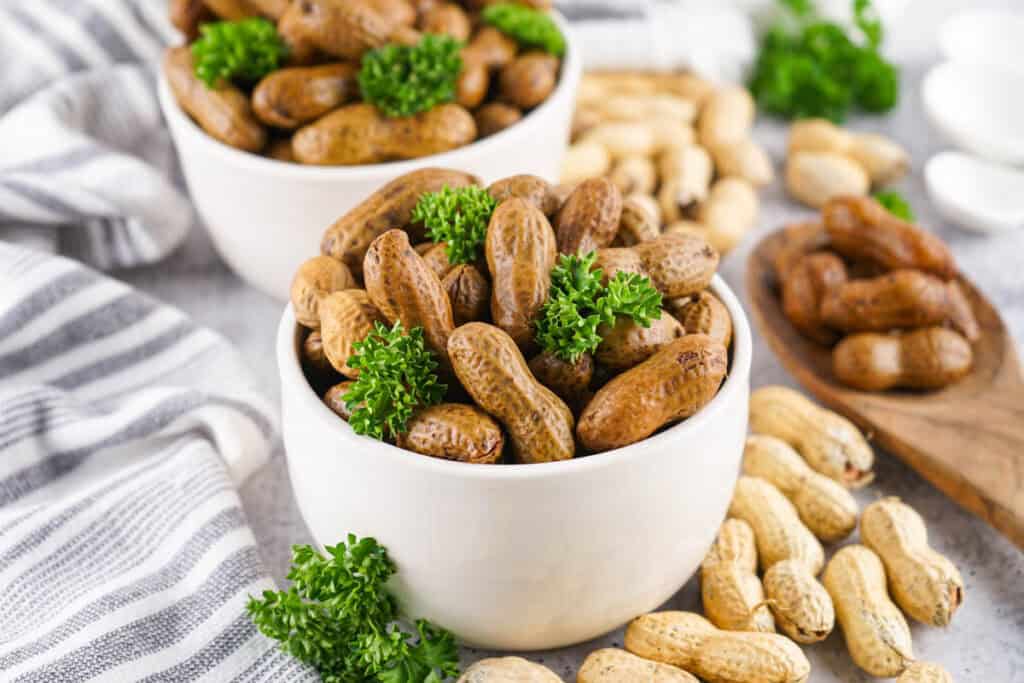
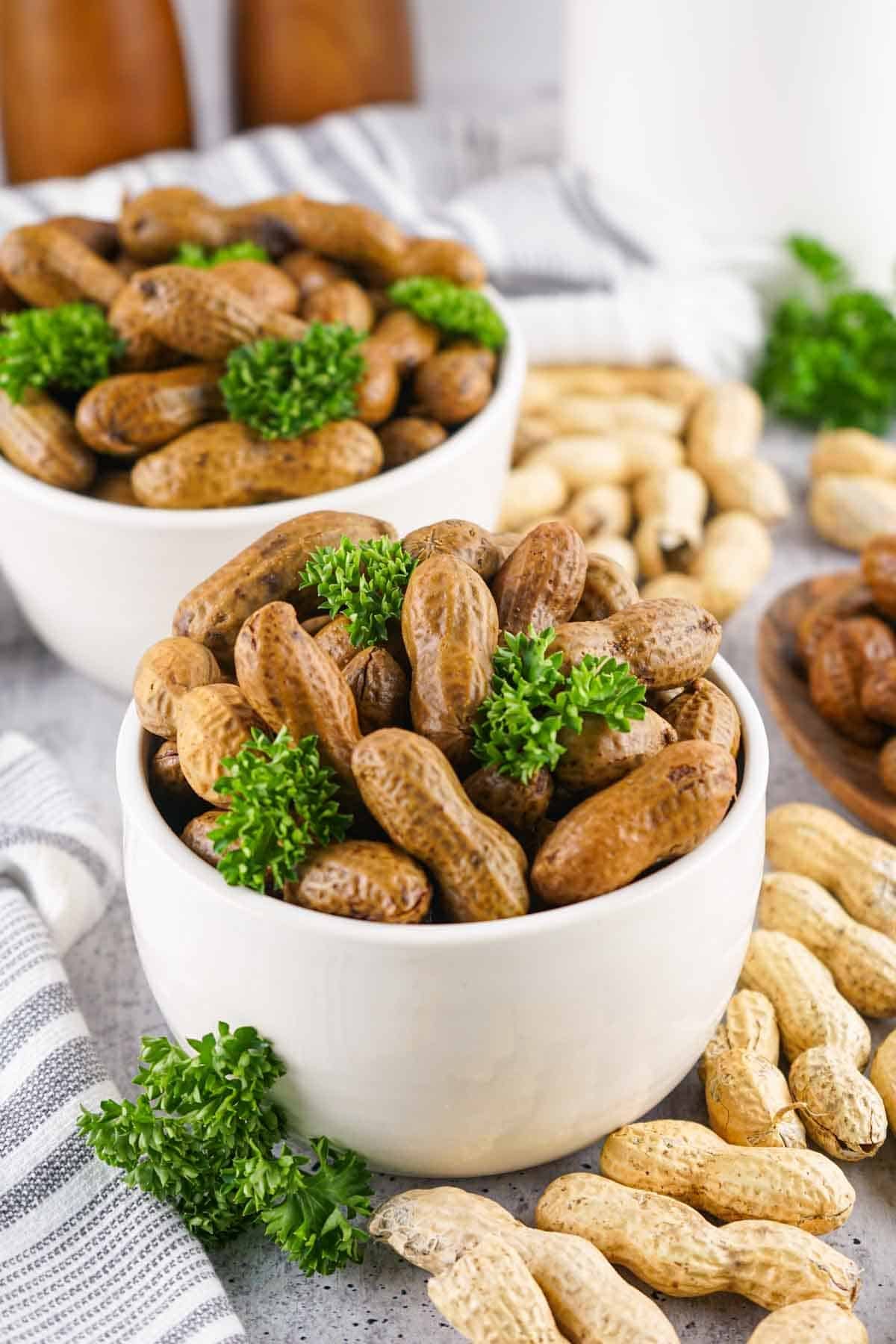
Stove Top Boiled Peanuts are what I reach for when I want a snack that feels special but stays simple and easy to share. They’re soft with a buttery texture, and each one is packed with salty flavor that’s completely different from roasted peanuts. They’re the kind of thing you eat by the handful without thinking. You’ll be hooked after the first few bites.

This post contains affiliate links. As an Amazon Affiliate, if you purchase through those links, I earn a commission. Thank you!
I make them for tailgates, game days, and backyard cookouts all summer long because they’re the kind of snack everyone hovers around. They stay good in the fridge for about 5 days or in the freezer for up to 3 months, so you can make a big batch ahead.
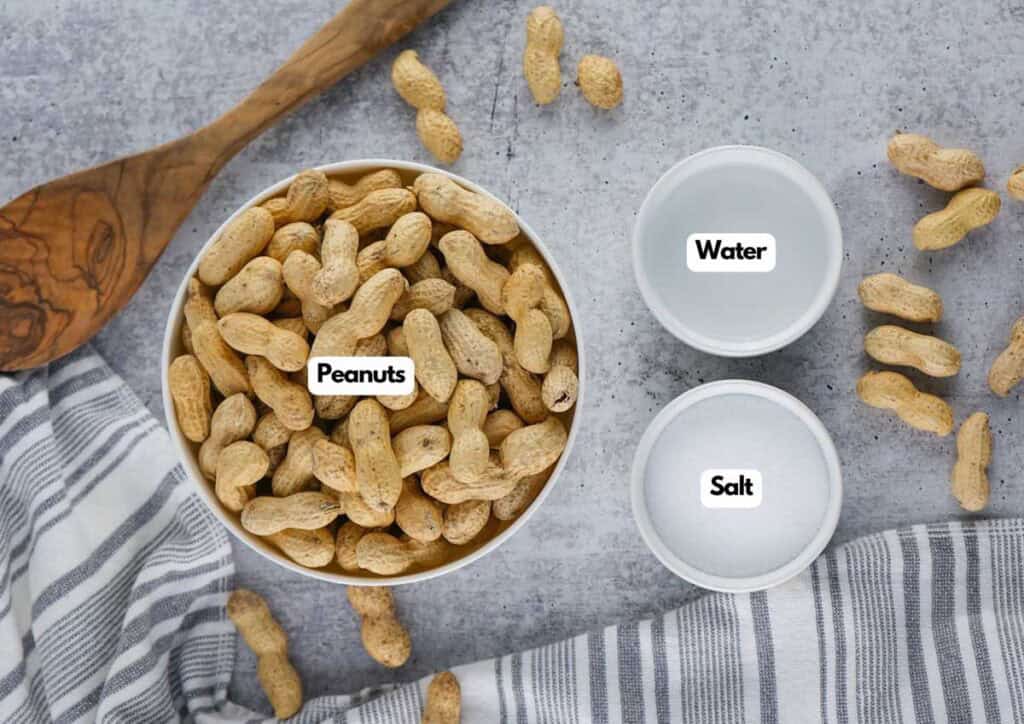
Ingredients You’ll Need
You’ll need all the ingredients shown in the photograph below.
How to Make Stove Top Boiled Peanuts with Step-By-Step Instructions
Scroll down for the full recipe card containing a full printable recipe and measurements in both US customary and metric units.
Here’s how to turn raw peanuts into tender, salty boiled peanuts on your stove top.
Sort and Soak the Peanuts
Go through your raw peanuts and toss any empty shells, broken pieces, or peanuts that look off. Rinse them well under cold water, then let them soak in a bowl of cold water for 30 minutes.
From Mandy’s Kitchen: Stuck on what's for dinner? The Everyday Dinner Book is the one I open for easy meals the whole family will eat. Get your copy
I like using this large mixing bowl, which works perfectly for this step and gives the peanuts room to expand as they absorb water.
Prepare the Pot
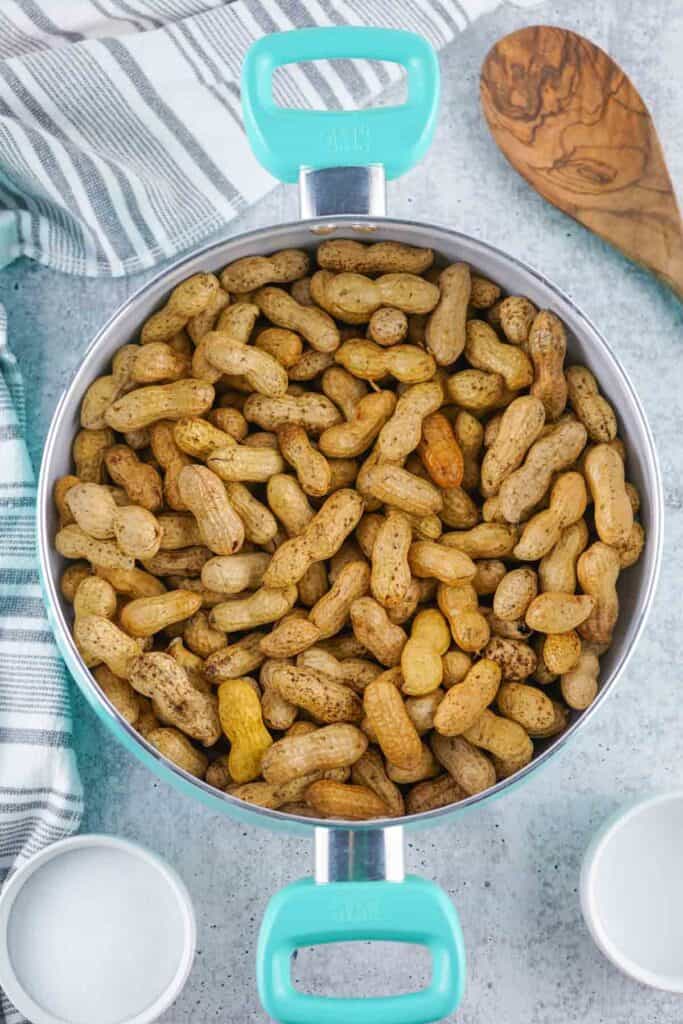
Drain the soaked peanuts and transfer them to a 5-quart or a large pot. You need a pot with enough room for the peanuts to move around as they boil.
Add Salt and Water
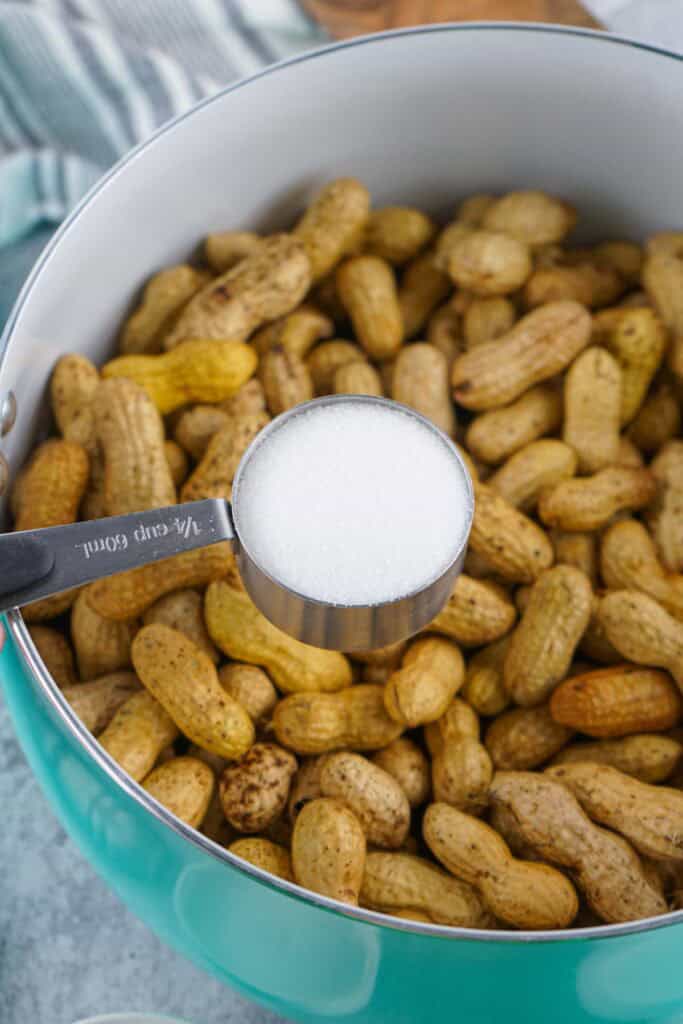
Sprinkle the salt evenly over the peanuts, then pour in enough water to cover them by about an inch. The peanuts will float at first, so don’t worry if they’re not all submerged yet. I always use a long heat-resistant wooden spoon to give them a quick stir and help the salt dissolve.
Boil the Peanuts
Set your stove to medium-high heat and bring the salty water to a rolling boil. Once it’s boiling, let the peanuts cook for about 3 ½ hours, checking them every 30 minutes or so.
You’ll need to add more water as it evaporates to keep the peanuts covered by at least an inch. I reach for this glass measuring cup to add water easily without splashing.
Test the peanuts after 3 hours by pulling one out, letting it cool slightly, and biting into it. They’re done when they’re as soft as you like them.
Serve
Drain the peanuts using a stainless steel colander and remove the debris. Serve them warm, or let them cool in the brine for an even saltier flavor. They’re best enjoyed while still warm, straight from the pot.
If you’re taking them to a tailgate or party, transfer the warm peanuts to this food thermos or insulated container to keep them hot for a few hours. You can also pack them in a sealed container with a bit of the cooking liquid to keep them moist during transport.
For outdoor events, set them in a slow cooker on warm so guests can help themselves, and they stay at the perfect temperature.
Instructions
- Sort through your peanuts and remove any empty shells, pieces, or bad peanuts. Rinse the peanuts and soak for 30 minutes in cold water.2 pounds raw peanuts in shell
- Drain the peanuts and add them to a 5-quart or larger boiling pot.
- Sprinkle the salt over the top of the peanuts and then pour water over the peanuts until the liquid is about an inch over the top of the peanuts.¼ cup salt, Water
- Set to medium-high heat and let the peanuts boil for 3 ½ hours or until the desired softness has been reached. You will need to add more water intermittently throughout the boiling process, to ensure the water does not get too low. If the water gets too low, the peanuts could burn.
- Serve and enjoy!
Notes
- Try green peanuts for convenience: Green peanuts (fresh, raw peanuts) cook in about 1 ½ to 2 hours instead of 3 ½ hours because they have more moisture and haven’t been dried yet, giving you that unique texture faster: look for them at farmers’ markets or roadside stands during harvest season.
- Use raw peanuts only: This recipe requires raw peanuts in the shell, not roasted. Roasted peanuts won’t absorb the brine and won’t get soft, no matter how long you boil them.
- Add spices for extra flavor: Boost the saltiness and savory depth by adding red pepper flakes, garlic powder, onion powder, or Cajun seasoning to the water along with the salt for a more complex flavor profile.
- Keep the water level up: Check your pot every 30 minutes and add more water as needed. If the water drops below the peanuts, they can burn and turn bitter.
- Test for desired softness level: Start checking your peanuts around the 3-hour mark by pulling one out and tasting it. Cooking time varies based on how fresh your raw peanuts are and personal preference for texture.
- Flash-freeze for storage: Spread boiled peanuts on a baking sheet and freeze for 1 hour, then transfer to containers so they don’t stick together into a single frozen clump.
Nutrition
How to Store Leftovers
Store leftover boiled peanuts in an airtight container in the refrigerator for up to 5 days. Keep them in some of the cooking liquid so they stay moist and don’t dry out. When you’re ready to eat them, reheat them in a pot on the stove or microwave them in 30-second intervals until they’re warm.
For longer storage, freeze them in freezer-safe containers or heavy-duty freezer bags for up to 3 months. Freeze them with a bit of the brine to maintain their texture. Thaw them in the fridge overnight, then reheat in a pot on the stove until warmed through.
What to Serve With Stove Top Boiled Peanuts
Serve them alongside cold beer, sweet tea, or lemonade at outdoor gatherings. They’re the kind of snack that pairs well with grilled foods like burgers, hot dogs, and grilled corn.
They’re also great with other Southern appetizers like pimento cheese dip, deviled eggs, or fried pickles. Keep a bowl of them on the table during game day with chips, salsa, and other finger foods, or pair them with coleslaw, potato salad, or baked beans.
More Easy Recipes for You to Try at Home
I think you’ll also love these other easy snack recipes.
About the Author

Hey there! I’m Mandy
Mandy Applegate is a home cook, food blogger, and writer who believes the best meals are the ones shared with the people you love.
She’s all about easy recipes that taste amazing, the kind that make ordinary days feel a little more special and remind you why cooking at home matters.
She has been published on NBC, the Daily News, the Boston Herald, and the Chicago Sun-Times, amongst many others.