Korean Fried Chicken

 Add Preferred Source
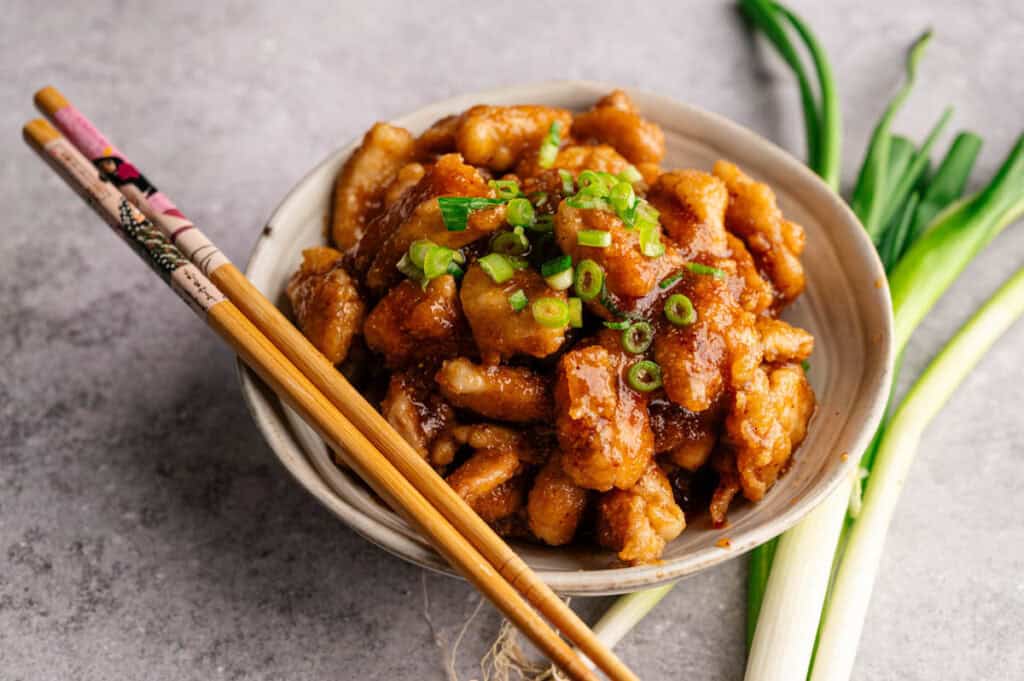
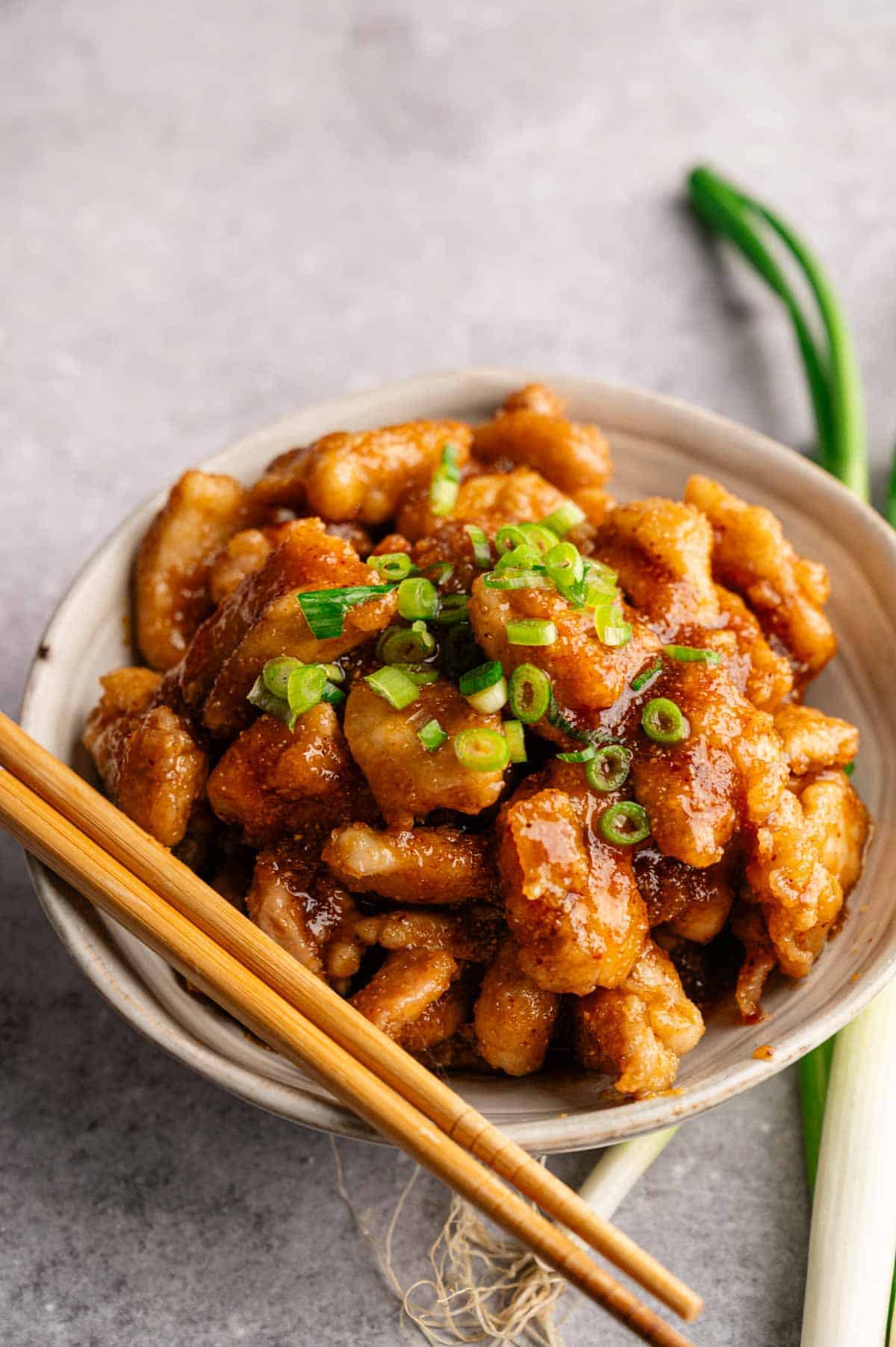
Every time I make this Korean Fried Chicken, I tell myself just a few pieces. That never happens. The crust is impossibly crispy, the gochujang glaze is sticky and bold and just the right amount of heat, and the smell of it hitting oil is genuinely one of my favorite things in the kitchen.

This post contains affiliate links. As an Amazon Affiliate, if you purchase through those links, I earn a commission. Thank you!
I make this for game day parties, Friday night dinners, or any time I’m craving that sticky-spicy gochujang fix without waiting for delivery. It’s a total crowd-pleaser that disappears fast and pairs perfectly with steamed rice, noodles, or straight from the pan. Best served fresh and hot, but leftovers keep in the fridge for up to 3 days and reheat beautifully in the oven or air fryer.
Ingredients You’ll Need
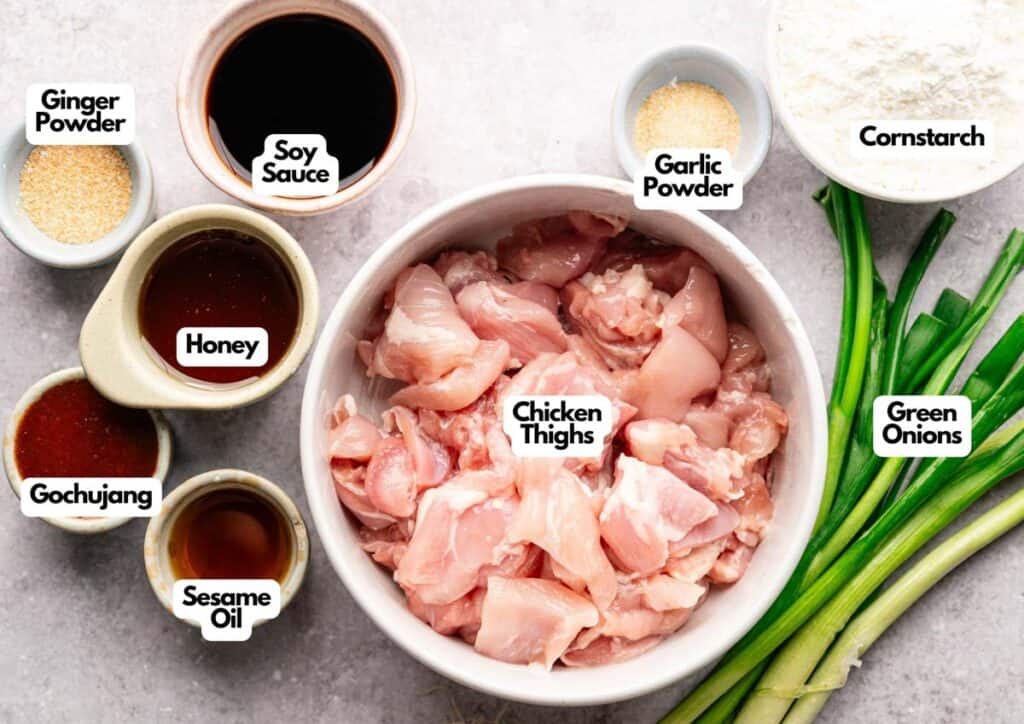
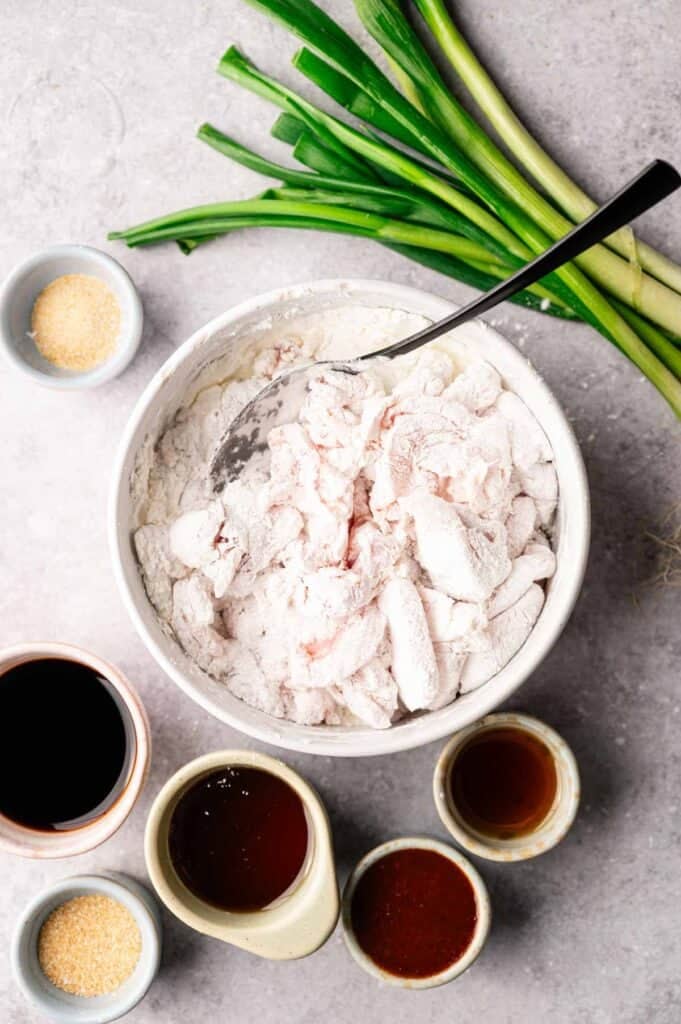
You’ll need all the ingredients shown in the photograph below.
How to Make Korean Fried Chicken with Step-By-Step Instructions
Scroll down for the full recipe card containing a full printable recipe and measurements in both US customary and metric units.
Here’s exactly how I make this great recipe, step by step, so yours comes out golden and saucy every time.
Pat and Coat the Chicken
Season the boneless chicken pieces with a pinch of salt and ground black pepper, then pat them completely dry with paper towels before doing anything else. Reusable Swedish dishcloths work great for this step because they’re absorbent, washable, and much more eco-friendly than using a stack of paper towels.
From Mandy’s Kitchen: Stuck on what's for dinner? The Everyday Dinner Book is the one I open for easy meals the whole family will eat. Get your copy
Moisture is the enemy of crispiness here, so take your time with it. Once dry, toss the pieces in cornstarch until all surfaces are fully coated in a thin layer.
Potato starch works great here, too, if that’s what you have on hand. The corn starch is what gives Korean fried chicken that signature light, shatteringly crispy shell that holds up under the sauce.
Heat the Oil
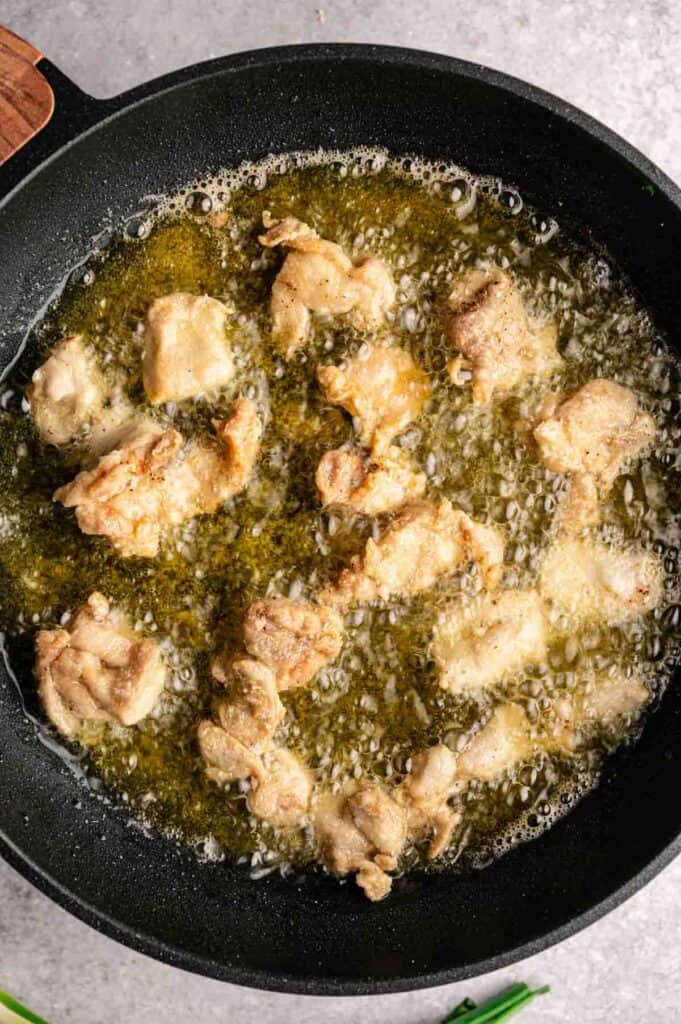
Pour enough vegetable oil into a deep skillet or a Dutch oven to submerge the chicken pieces, and heat it to 350°F (180°C). Peanut oil is a great alternative for hot oil since it has a high smoke point and adds a mild nuttiness.
Getting the oil to the right temperature in the deep fryer before adding the chicken makes all the difference between greasy and golden. I always use a good instant-read meat thermometer to hit that temperature precisely.
Fry the Chicken
Fry the chicken in batches for 8 to 10 minutes until golden brown and crispy. This is essentially a deep fry method, and it works just as well with chicken wings if you want to switch it up.
Don’t overcrowd the pan, or the oil temperature will drop, and the coating will absorb oil instead of crisping up. For an extra super-crunched result, try double-frying: fry once, rest for 5 minutes, then fry again for 2 to 3 minutes.
A slotted spoon makes it easy to pull the pieces out cleanly. Remove each batch and drain on a cooling rack set over a baking sheet so excess oil drips off freely, rather than making the coating soggy.
Make the Sauce
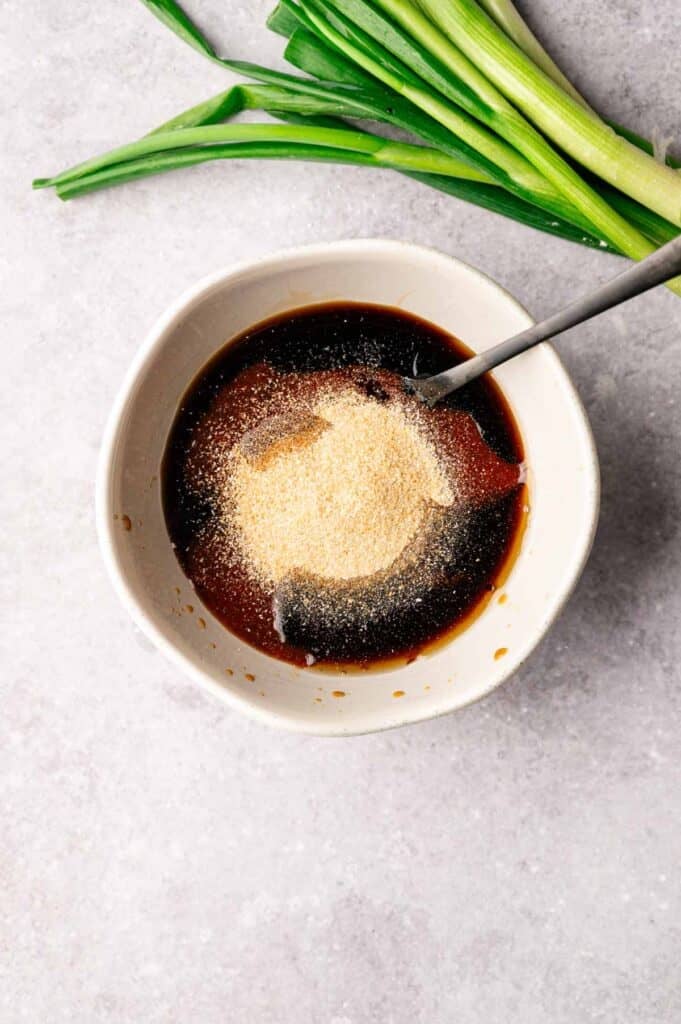
While the chicken fries, add the soy sauce, gochujang sauce, honey, garlic powder, ginger powder, and sesame oil to a small bowl and whisk until smooth. I like using a deep porcelain bowl for this since it’s easy to clean and just the right size for sauces like this.
A splash of rice vinegar or rice wine brightens the gochujang sauce and balances the sweetness from the honey, so add a little if you have it on hand. Stir in a pinch of red pepper flakes for extra heat beyond the gochujang.
The combination of honey and gochujang creates that signature Korean fried chicken glaze that’s sweet, spicy, and deeply savory all at once.
Toss in the Glaze
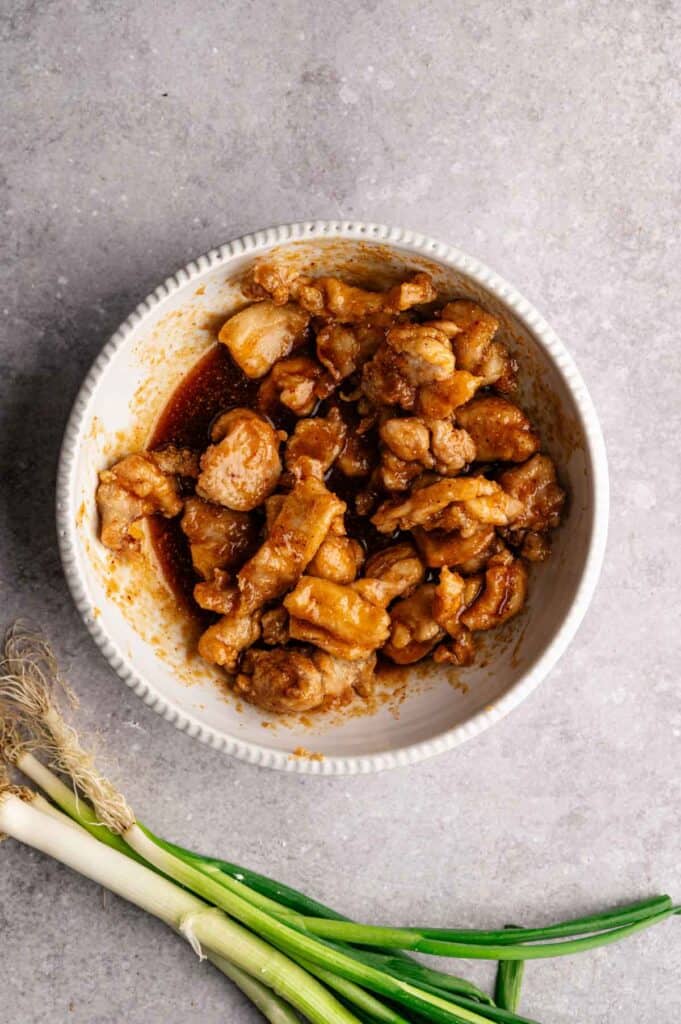
Add your super crunchy fried chicken to the sauce and toss in a large bowl until evenly coated. Work quickly while the chicken is still hot so the glaze clings properly and coats each piece all the way around.
Finish with a sprinkle of toasted sesame seeds before serving for a classic Korean fried chicken touch. You want every corner of every piece covered in that sticky, glossy glaze.
Serve and Garnish Your Best Korean Fried Chicken
Scatter the chopped green onions and a sprinkle of toasted sesame seeds over the top and get it to the table right away. Korean Fried Chicken is best eaten immediately while it’s still hot and the coating is at its crispiest.
Once it sits too long, the coating softens, so don’t wait on this one. Enjoy!
If you’re taking it somewhere, keep the chicken and sauce in separate airtight containers and toss everything together on arrival. A leak-proof mason jar and a wide, shallow food carrier with a secure lid are your best friends here.
Ingredients
- 1 pound boneless chicken thighs cut into bite-sized pieces
- ½ cup cornstarch
- 1 teaspoon garlic powder
- 1 teaspoon ginger powder
- 3 tablespoons low-sodium soy sauce
- 2 tablespoons gochujang Korean chili paste
- 2 tablespoons honey
- 1 teaspoon sesame oil
- 2 green onions chopped (for garnish)
- Vegetable oil for frying
Instructions
- Pat the chicken pieces dry with paper towels. Toss them in cornstarch until fully coated.1 pound boneless chicken thighs, ½ cup cornstarch
- Heat vegetable oil in a deep skillet to 350°F (180°C).Vegetable oil
- Fry the chicken in batches for 8–10 minutes, until golden brown and crispy. Remove and drain on paper towels.
- In a bowl, mix together the soy sauce, gochujang, honey, garlic powder, ginger powder, and sesame oil until smooth.1 teaspoon garlic powder, 1 teaspoon ginger powder, 3 tablespoons low-sodium soy sauce, 2 tablespoons gochujang, 2 tablespoons honey, 1 teaspoon sesame oil
- Toss the fried chicken in the sauce until evenly coated.
- Garnish with chopped green onions and serve immediately while hot and crispy.2 green onions
Video
Notes
- Dry the chicken thoroughly: Patting the chicken completely dry before coating is the single most important step for maximum crispiness. Any surface moisture will steam the coating rather than crisp it.
- Coat evenly in cornstarch: Toss the chicken in cornstarch and shake off any excess before frying. A thick, uneven coating can clump and fall off in the oil, so a light, uniform layer works best.
- Fry in batches: Adding too many pieces at once drops the oil temperature and leads to greasy, soggy chicken instead of that crispy golden shell. Keep the batches small and let the oil return to 350°F between rounds.
- Whisk the sauce until smooth: Mix the soy sauce, gochujang, honey, garlic powder, ginger powder, and sesame oil until there are no streaks, then add the chicken. A well-emulsified sauce coats more evenly and clings better.
- Toss while hot: The glaze sticks best when the chicken is fresh out of the oil and still hot. Don’t let it sit and cool before saucing or the coating won’t absorb the glaze as well.
- Freeze before saucing: If you’re making a batch ahead for the freezer, freeze the plain fried chicken pieces on a baking sheet for 1 hour, then transfer to a freezer bag. Sauce them fresh after reheating so the coating stays crispy and the glaze is bright and glossy.
Nutrition
How to Store Leftovers
Let the chicken cool completely before storing. Transfer the leftovers to an airtight container and keep them in the fridge for up to 3 days. A set of glass meal prep containers works perfectly here since they seal tightly and go straight from the fridge to the microwave.
If you’re storing unsauced chicken, wrap individual pieces in plastic wrap before placing them in the container to prevent them from sticking. To reheat, pop the chicken on a wire rack set over a baking sheet in an air fryer or oven at 375°F for a few minutes to let air circulate around the pieces and the coating crisp back up evenly.
The microwave works in a pinch, but the coating will be softer. For longer storage, freeze the fried chicken pieces before saucing them, and they’ll keep well for up to 2 months. Thaw overnight in the fridge, then reheat before tossing in the freshly made sauce.
What to Serve With Korean Fried Chicken
It pairs really well with steamed white rice or fried rice, since the sticky glaze soaks in, making every bite even better. Pickled daikon or quick-pickled cucumber slices are classic accompaniments that cut through the richness and beautifully balance the heat from the gochujang.
Cold noodles tossed with a sesame dressing and a splash of rice vinegar make a refreshing side that complements the bold flavors without competing with them. For something more casual, serve it alongside Korean-style coleslaw, corn on the cob, or crispy roasted potatoes.
If you made this with chicken wings instead of thighs, a simple Korean-style dipping sauce on the side pairs especially well. A sprinkle of toasted sesame seeds over the finished plate ties everything together and adds a subtle nuttiness to every bite.
More Easy Recipes for You to Try at Home
Here are some more Asian-inspired chicken dinners I think you’ll love.
- Sticky Chicken Thighs
- Sweet and Sour Chicken
- Chicken Chow Mein
- Shredded Chinese Lemon Chicken
- Teriyaki Chicken Stir Fry
About the Author

Hey there! I’m Mandy
Mandy Applegate is a home cook, food blogger, and writer who believes the best meals are the ones shared with the people you love.
She’s all about easy recipes that taste amazing, the kind that make ordinary days feel a little more special and remind you why cooking at home matters.
She has been published on NBC, the Daily News, the Boston Herald, and the Chicago Sun-Times, amongst many others.